
Established in 1955, the Martin County Bar Association’s mission is to provide educational opportunities to its members, encourage civility and professionalism, promote fellowship and networking, foster the membership’s health and wellness, assist the public in understanding the role of attorneys and judges in the legal system, and to engage in service to the community.

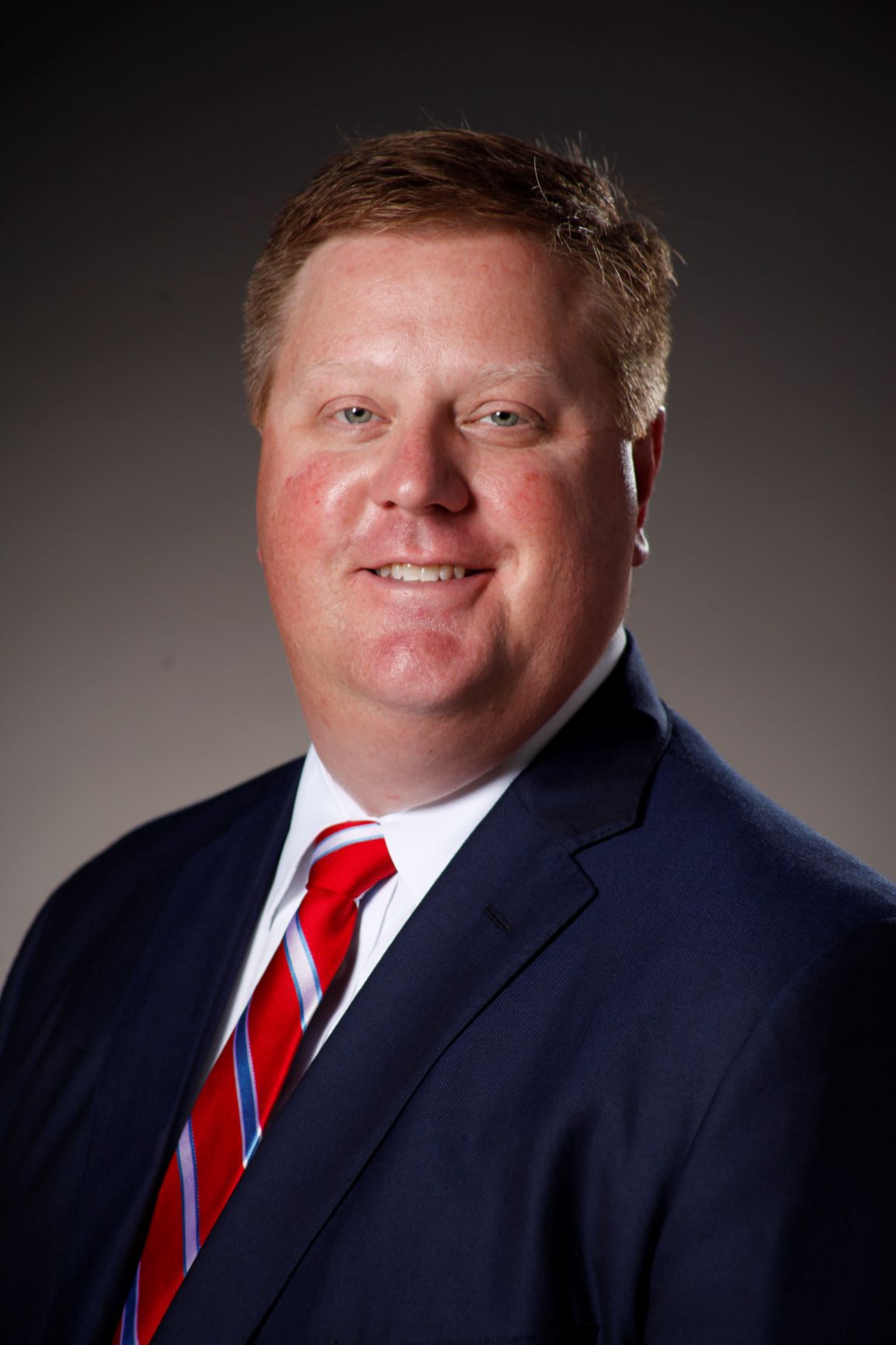
A Message From The President
Dear Member,
I am incredibly honored and proud to serve as your 2023-2024 Martin County Bar Association President. This year’s theme is Engagement. Your MCBA Board of Directors has already begun working hard to bring our members an engaging year. I am asking our members to engage in our bar association by considering being a sponsor, by attending our CLE luncheons, by attending a social event, and/or by being involved with an MCBA committee. The MCBA only thrives when YOU are engaged!
Of course, by now, you have probably heard the news that the MCBA has a new Executive Director. Lynne Poirier will take the helm of the MCBA effective July 11. Lynne joins the MCBA after 23 years as the Communications Director of the Palm Beach County Bar Association. Please come to one of our upcoming events and introduce yourself to Lynne. Let’s make her feel welcome!
President’s Speaker Series Announced for 2023-2024
Please mark your calendar and join us for my President’s Speaker Series. These membership lunches are held on the third Friday of every month at Monarch Country Club in Palm City from 11:30 a.m. to 1:00 p.m. Programs are educational, informative and provide great networking opportunities! Plus, lunches include CLE and are FREE to all MCBA members and the judiciary. Now, that’s a great member benefit!
RSVP by email to: MartinCountyBar@gmail.com (please include in the subject line: President’s lunch & the lunch date you are registering for) Attorneys who are non-MCBA members are welcome for $45.00.
Send your check to: P.O. Box 2197, Stuart 34995
- April 19, 2024: Judicial Meet and Greet
- May 10, 2024: Steve Weagle – WPTV News Channel 1 Meteorologist – Preparing for Hurricane Season
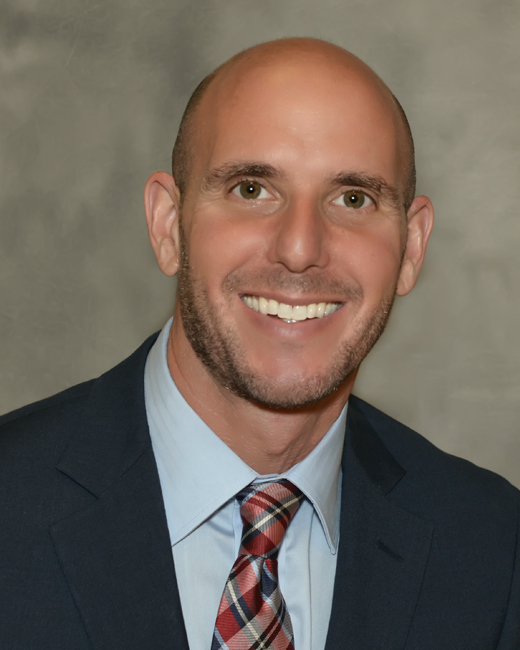
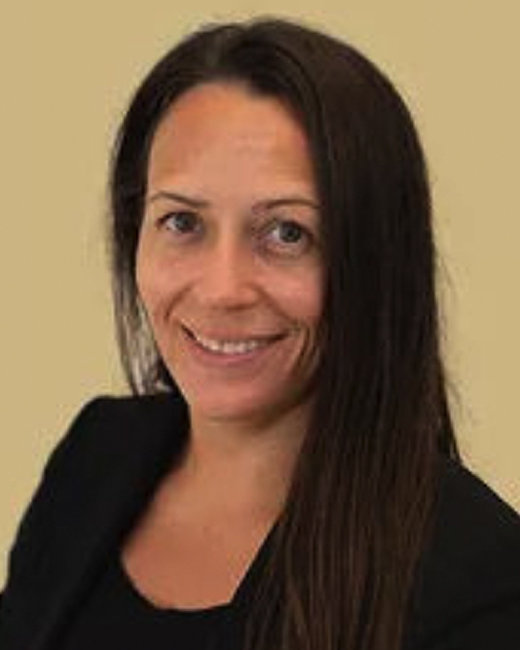
2023-2024 MCBA Executive Board

2646 SW Mapp Road, Suite 201
Palm City, FL 34990
Tel: (772) 291-2765
Email: wayne@richterlawpa.com

10 SE Central Parkway
Stuart, FL 34994
772-497-6544
Email: brandon@wkfklaw.com

340 Columbia Drive, Suite 111
West Palm Beach, FL 33409
561-615-6775
jlugo@wmrfla.com
532 Colorado Avenue
Stuart, FL 34994
(772) 223-5454
gene@zwebenlawgroup.com
2400 SE Federal Highway, 4th Floor
Stuart, FL 34994
(772) 286-1700
jmv@mccarthysummers.com
10 SE Central Parkway, Suite 305
Stuart, FL 34994
772-247-0228 ext. 403
Email: Jeff@friedmanworkerscomp.com